
God already knows what we carry in our hearts
Still, it is important for us to entrust our concern consciously. By submitting an intention, we name a person or situation and together with the Church ask for God’s presence, help and grace.
In Holy Mass, the Church unites with the one sacrifice of Christ and prays for the living and the deceased. By submitting an intention, we ask a priest to offer Holy Mass for a particular person, family, important concern or in thanksgiving to God.
It is an act of trust. We entrust our joy, pain or request to God’s love and wisdom. An intention is not a way to tell God what He must do, and an offering to the parish is not a payment for prayer.
Submit an intentionStill, it is important for us to entrust our concern consciously. By submitting an intention, we name a person or situation and together with the Church ask for God’s presence, help and grace.
A priest offers Holy Mass for a particular intention, while the Eucharist remains the prayer of the whole Church. It includes the prayers of the community and the intentions each person brings silently in the heart.
For health, strength, conversion, family unity, vocation, work, an important decision or peace of heart.
For deceased loved ones and those whom nobody remembers, entrusting them to Christ’s mercy, light and peace.
For received grace, recovery, reconciliation, a birth, a wedding anniversary, a jubilee or another gift of life.
For peace, vocations, the poor, the persecuted, missionaries and people touched by war, disaster or injustice.
We entrust our request to God’s wisdom and pray for what is good. He sees the whole life of a person and knows what we ourselves cannot yet understand.
The priest accepts the intention and offers that Holy Mass for the named person or request.
The gathered community prays together for the Church, the world and people who need help.
Each participant may silently entrust family, work, suffering, thanksgiving and other concerns to God.
A submitted intention is not merely an entry in a system. When you can, take part in Holy Mass and consciously entrust to God the person or concern for whom you are praying.
Before Holy Mass, remember the person or situation and entrust it to God in your own words.
Come to church when possible. If illness, distance or another serious reason prevents you, you may join the broadcast prayerfully.
You may attend Holy Mass even when you cannot receive Holy Communion. Confession is not a condition for submitting an intention or attending Mass.
A broadcast helps us pray, but in ordinary circumstances it does not replace participation in Sunday Holy Mass. A Catholic conscious of grave sin should receive the Sacrament of Reconciliation before Holy Communion.
A short intention is no less important. For example: “Už Matą”, “Už šeimos vienybę” or “Dėkojant už pasveikimą”. God knows the whole story. To protect your own and others’ privacy, avoid unnecessary diagnoses, family conflicts or other sensitive details.
This explanation is based on the Catechism of the Catholic Church and the Code of Canon Law.
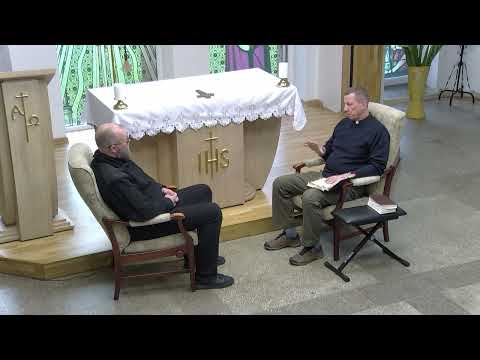
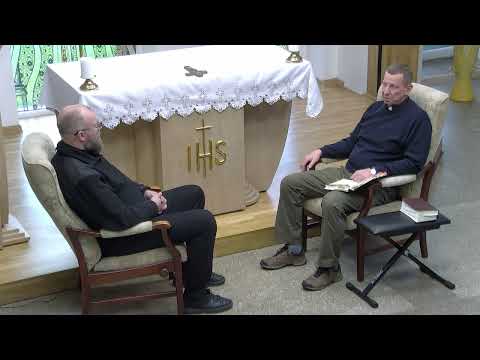
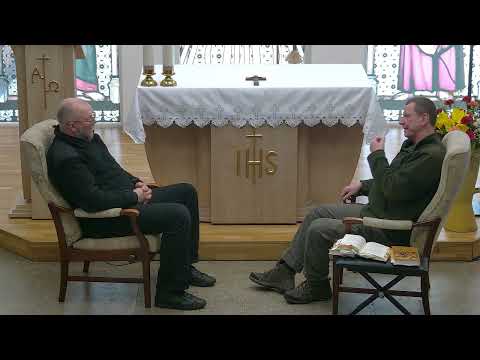
Selected Lithuanian-language conversations about a Holy Mass intention, the Eucharist, and prayer for the deceased.


Enter the offering amount you have chosen; the full intention will be read during Holy Mass.